Why Paying for Ads on ChatGPT is Backfiring (And Why 96% of Advertisers Are Getting Ignored)
Brands are scrambling to buy ads on AI platforms. The moment ChatGPT or Google AI Overviews roll out sponsored links, marketers treat them like standard Google Search ads. Buy the keyword, secure the top spot, win the click.
There is just one huge problem with that logic. People use AI tools specifically to skip the ads. When someone asks an AI for advice, they are looking for an unbiased, straight answer. Slipping a sponsored text box underneath that answer does not build trust. It creates awkward friction. In fact, recent data shows a pretty wild statistic: 96.37% of advertisers showing ads on AI platforms are not cited in the organic answer sitting directly above their ad.
Let that sink in for a second.
The 96% Disconnect Explained
Imagine you pay $15 for a sponsored ad target on a query like "What is the best CRM for a remote team?" Your ad shows up neatly at the bottom with a little gray "Sponsored" label. But directly above your ad, the AI writes a three-paragraph summary comparing four different CRMs, and your brand is not mentioned once. Even worse, the AI explicitly recommends your biggest competitor. Think about what just happened. You paid money to sponsor a response where an impartial AI assistant told the user to buy from someone else. That is not customer acquisition. That is self-sabotage. And if you’re attaching to reach B2B, the bad news is most are on enterprise paid versions… meaning they don’t even see it.
Trust vs. Interruption
Why do users trust AI recommendations in the first place? Because AI tools do not rank brands based on who spent the most money on keywords. They cite content based on actual data, clear authority, and web consensus.
- Paid AI Ads: Users view these as paid interruptions. They know an ad placement reflects ad spend, not product quality or expertise.
- Organic AI Citations: Users view these as earned trust. When an AI cites your data or recommends your product, it feels like an endorsement from a knowledgeable friend.
When an AI engine organically references your brand, it acts as a trusted advisor. People who click through after reading an AI recommendation convert at a much higher rate because the AI already did the selling for you.
How to Actually Win in AI Search
If buying ads is not the answer, how do you get cited by tools like ChatGPT, Perplexity, and Gemini? You focus on Generative Engine Optimization, or GEO.
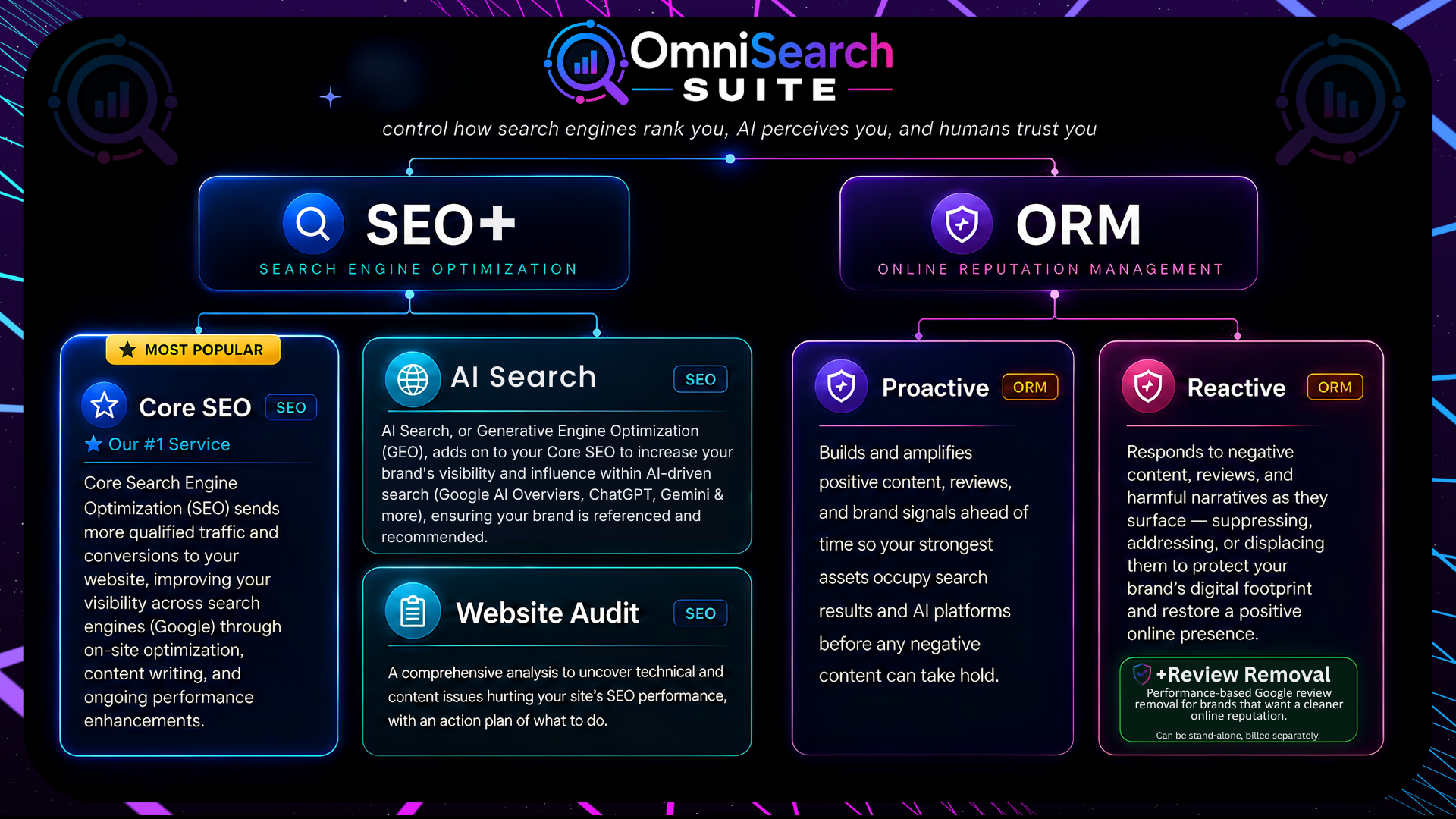
Instead of throwing money at ads, you build authority that AI models cannot ignore:
- Publish real data: AI models love hard statistics. Sharing original research and proprietary metrics makes it way easier for an AI to quote you. An average we post 3-4 content articles a month, not just on Vici but our partners and end client’s websites too.
- Write in plain, structured language: Clear Q&A sections, simple headings, and direct answers make it easy for AI crawlers to read and summarize your site.
- Get talked about elsewhere: AI models look at the entire web, not just your website. Mentions on industry blogs, review sites, and Reddit forums carry huge weight. Want to get on a trade article? Just ask us we’ve got connections.
- Use clean structured data: Make sure your technical setup clearly tells AI crawlers who you are, what you sell, and how much it costs.
Earn the Answer, Don't Buy the Footer. Paid ads in AI search are a shortcut that often undermines your brand authority. If you are not organically included in the answer, paying to put a banner below it only highlights that the AI left you out.
Focus on getting cited organically. When you win the AI's actual recommendation, you build real buyer trust, and no ad budget can buy that.
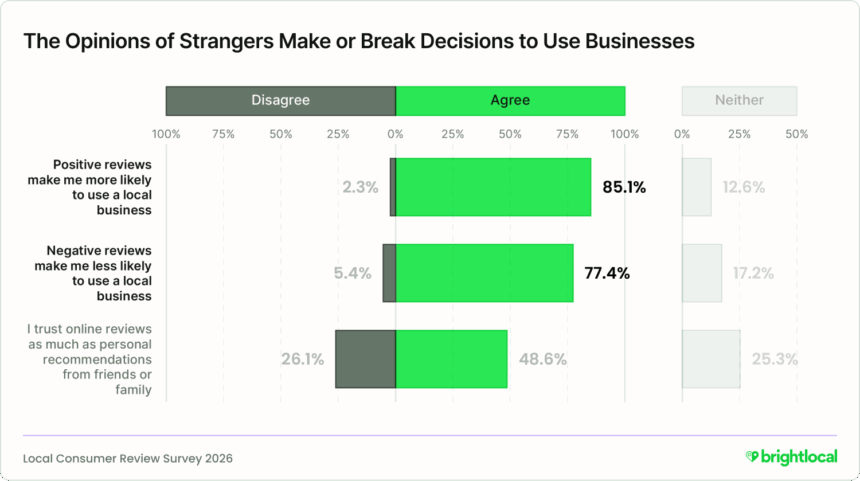
77% of consumers say negative reviews can deter them from using a business. (brightlocal)